

Search for "Consumption"
Question Consumption
Campaigns | October 25, 2018
Consumerism
Topics | June 26, 2017
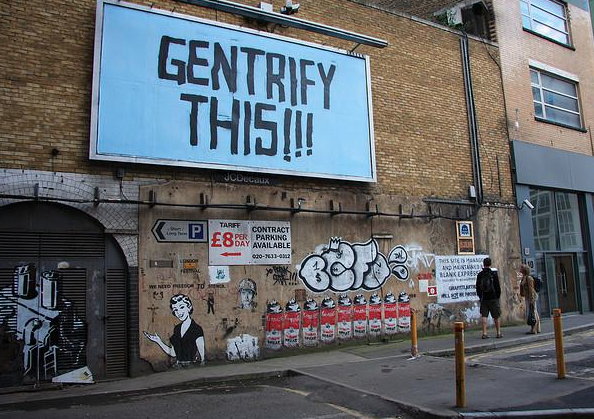
Consumption, Gentrification, and You
Blog | by Josmar Torres | September 12, 2018
New Dream Youth Fellow Josmar Torres explains why gentrification is a perfect example of how consumption and capitalism can combine to undermine communities.

Question Consumption This Thanksgiving
Blog | by Guinevere Higgins | November 9, 2018
New Dream's Guinevere Higgins outlines four ways you can think more deeply about your Thanksgiving holiday and create a more authentic and meaningful experience for your family and friends.

It's Time for Millennium Consumption Goals
Blog | by Erik Assadourian | April 22, 2011
The Millennium Consumption Goals are moving forward—and thanks to all the great comments we received, they’re getting more nuanced too!
Question Consumption Stories Project
Campaigns | April 5, 2019
Four New Books Explore American Consumption
Blog | by Dave | July 9, 2009

This Holiday Season, Rethink Your Consumption Ethic
Blog | by Addison Del Mastro | December 16, 2013
How should we redefine what it means to be a consumer this holiday season?

Question Consumption (and Go Lighter on the Planet) This Halloween
Blog | by New Dream | October 22, 2019
Halloween is big business. It also requires a bit of cultural and environmental sensitivity, so we can be sure we're really embracing the spirit of good old fashioned fun.

New Dream Evolves: Young Leaders Question Consumption
Blog | by Amy Hartzler | August 15, 2018
In July, New Dream gathered 10 Youth Fellows in Boston for focused sessions on the complex landscape of consumption and possibilities for future efforts.
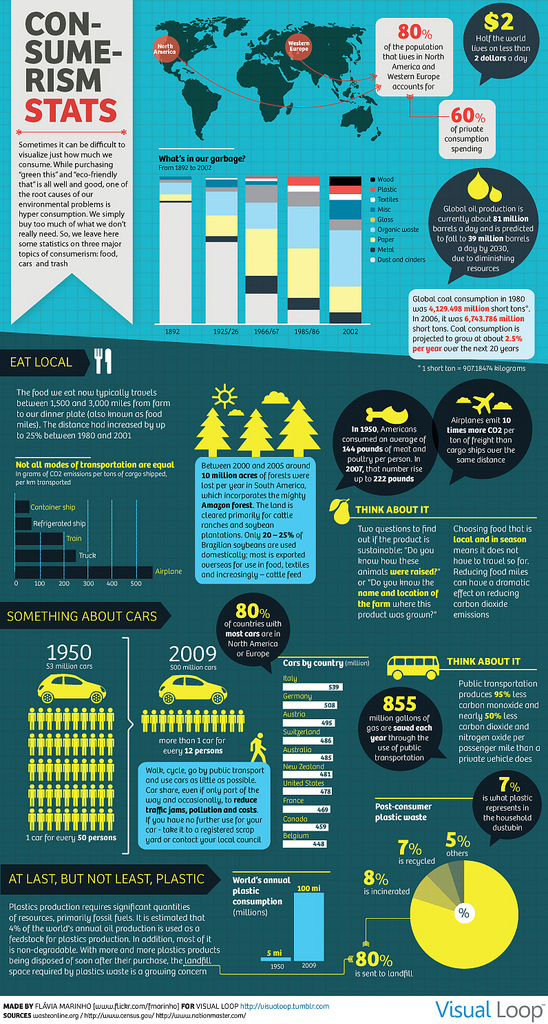
New Infographic Shows Our "Hyper Consumption"
Blog | by Lisa Mastny | August 19, 2011
One of the root causes of our environmental problems is hyper consumption. We simply buy too much of what we don't really need.
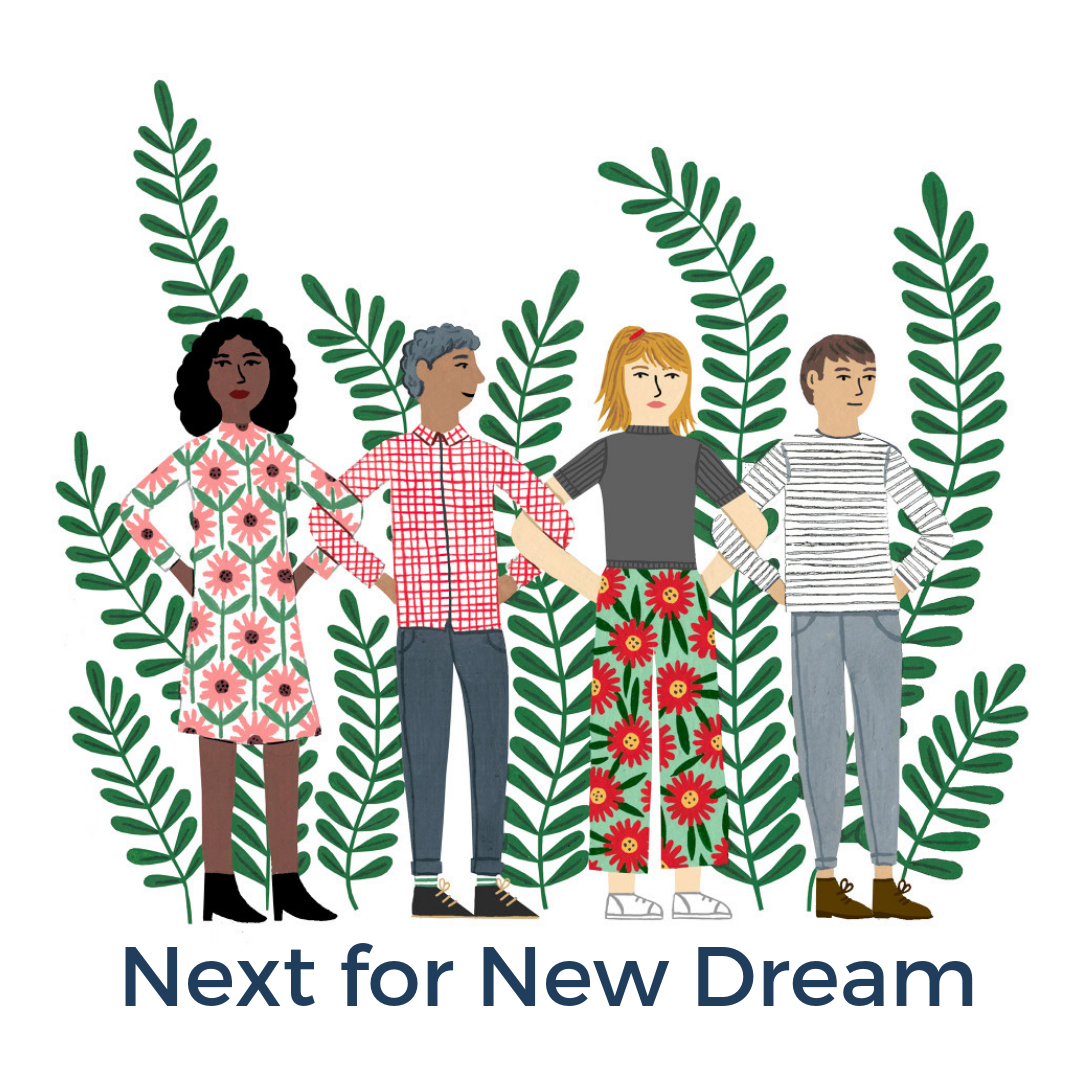
Conscious Consumerism Won’t Change the World: Why We Need to Think More Deeply About Equity and Consumption
Blog | by New Dream | March 19, 2019
We need to learn more about the extent of the problems we face, to understand how the complex systems of consumption and capitalism function, and to understand how they impact people differently. To do this, we need to get into the inquiry—to thoroughly examine the problem—in order to orient ourselves to what needs to change.
Question Consumption Stories Project: Submission Guidelines
Custom Pages | March 25, 2019
Films Explore High-Consumption Lifestyles, Sustainable Solutions
Blog | by Mark Valentine | March 13, 2012
The recent SF Green Film Festival showcased more than 40 new films on sustainability themes.

What If You Cut Your Consumption Rates by Half?
Blog | by Inbar Hyams, OuiChoose.com | July 18, 2018
What if instead of breaking our heads trying to determine the optimal choices, we go for something radically simple and just cut our consumption rates by half? Here's how.